
In most cases, women are at a higher risk of experiencing alcohol-related domestic violence from male partners. Here are a few effects of aggressive behavior related to drinking. There’s no definitive research that certain types of alcohol make people meaner, but some think that spirits can lead to increased aggression. This makes sense when you consider that spirits have higher alcohol content, leading to faster intoxication.
Why Do I Get Angry When I Drink Alcohol? The Brain Science
I’ve spent time researching and observing, trying to understand why some people turn into angry drunks Alcohol Use Disorder while others become happy ones. It’s not always easy to tell the difference at first glance, but there are clear signs you can look for. Alcohol affects the brain by altering levels of neurotransmitters – the chemical messengers transmitting signals around the body. It slows down the function of the central nervous system which makes us feel relaxed and uninhibited. However, as blood alcohol concentration increases, one might experience more negative effects such as mood swings or aggression. When it comes to understanding anger and alcohol, there’s a fascinating psychological interplay at work.
Why Does Alcohol Make You Angry? The Science Behind Booze-Fueled Rage
Alcohol directly impacts the prefrontal cortex, the region responsible for regulating emotions, decision-making, and impulse control. Research shows that alcohol consumption reduces activity in this area, leading to lowered inhibitions and an increased likelihood of aggressive or erratic behavior. 3 This effect is heightened in individuals predisposed to impulsivity or aggression. Hopefully, your run-in with (or experience as) an angry drunk will end with a https://domburguer.shop/why-choose-xero-for-your-small-business/ simple loud and obnoxious argument. People are more likely to respond to emotional triggers when inebriated, so even the slightest comment could generate a shoving match or fistfight. A piece of prevailing wisdom also suggests that heavy drinking plays a part in domestic violence.
Experiencing “Dry Drunk” Symptoms
Anger can also be indicative of underlying anxiety, whether you have an actual anxiety disorder or are experiencing an anxiety-inducing moment. In both cases, anger is a way to release internal tension, according to therapist Karen R. Koenig, M.Ed., LCSW. If it seems like you feel sudden anger for no reason, it very well may mean you got triggered by something you didn’t even realize was there.
With that in mind, scientific studies of how alcohol impacts the brain shows that excessive alcohol intake stirs up rage in some individuals. These alcoholic rage symptoms cause people to become violent and aggressive, even when the outlet is someone they seem to love or care about. These researchers questioned 156 participants on their alcohol history and personality traits. The study found that participants who had a certain genetic mutation called HTR2B Q20 were more likely to act out aggressively, lash out at others, and become mean when they drink. Although this study was eye-opening, researchers still do not know everything about how genes can influence the way that people react to alcohol.
Emotional Abandonment in Relationships: Why We Feel Alone Even When We’re Loved
This is crucial for heavy drinkers who may experience more intense reactions. If we hang out with people who throw digs at each other (or at us) or normalize alcohol-induced aggression, it’s more likely to make an appearance. If you follow true crime, you’ve heard about the notorious Murdaugh trials in South Carolina, with the latest being the trial of Alec Murdaugh convicted for killing his son and wife. And although nothing justifies murder, the son Paul Murdaugh was quite a character (and not in a good way).
What Is a Mean Drunk?
What’s most important is finding the programming that best meets your specific needs. If you’re concerned about how you behave when you drink and want to reduce how much you consume, Ria Health may be able to help. Our online program offers medication for alcohol cravings, coaching, virtual support groups, and handy digital tools—all from an app on your smartphone. You don’t even have to quit drinking completely or identify as an alcoholic to join. Since intoxication can lead to riskier behavior, blackouts can be dangerous. For those who tend to black out when drinking, it can help to have trustworthy friends nearby to keep an eye out.
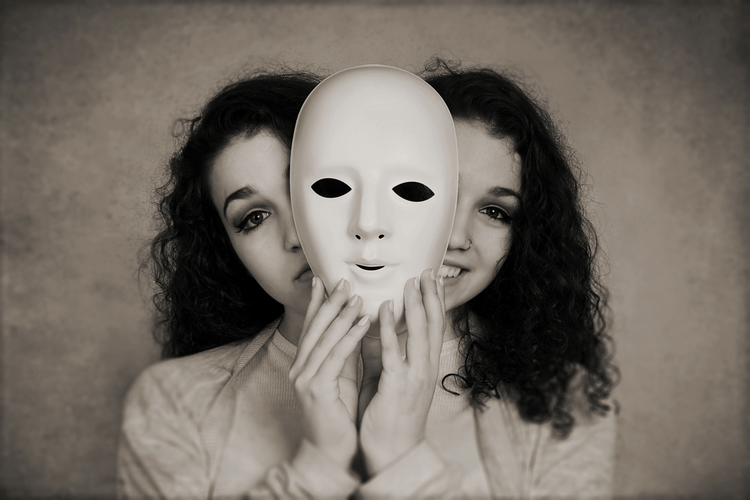
“It can be difficult to be aware of the impact of your emotions due to alcohol’s effect on the brain,” Metcalf explains. I say this from a place of tough love as someone who used to get drunk, say terrible things, and pick fights with people I cared about. Every sober day is a gift to myself and penance to them for the damage I wrought for so many years. You will either continue to abuse them, or they will find a way to get away from you (and rightfully so). If you get drunk and say hurtful things to people you care about, you first must take ownership of your behavior and apologize.
- You should also avoid arguing or trying to reason with them, as their judgment and comprehension may be impaired.
- Before playing, the participants completed a survey designed to measure their general concern for the future consequences of their actions.
On a sober day, you might be more likely to register the body language of someone when you’ve hurt their feelings than when drunk. For those who recognize mean drunk tendencies in themselves, there’s hope. With self-awareness, support, and the right strategies, it’s possible to change these patterns of behavior.
Examples of Stimming: A Closer Look at This Common Behavior
A person who can’t reflect on their own actions and flaws often isn’t able to accept responsibility. Well, they may understand that they are angry and not want a direct confrontation. A direct confrontation could lead to a fight which may have a negative outcome for them. Discretion is required when addressing anger in the workplace or relationships, otherwise, it can cause serious problems.
- This mutation is believed to only affect up to 2% of the population, and Dr. Tikkanen suspects that it is exclusive to individuals of Finnish descent.
- For those who recognize mean drunk tendencies in themselves, there’s hope.
- In both cases, anger is a way to release internal tension, according to therapist Karen R. Koenig, M.Ed., LCSW.
- This reduction in brain activity can lead to a decrease in self-awareness and a heightened bias toward cues in the environment, leading to more aggression.
- What’s most important is finding the programming that best meets your specific needs.
Alcohol-Induced Aggression and Hostility
When most why do some people get angry when they drink people think of how alcohol affects the body, the brain isn’t the first thing that comes to mind. We often think of the liver, stomach, and how alcohol damages our overall physical health. But the brain is deeply (and immediately) impacted by heavy alcohol use as well.
These emotions can become heightened in potentially extreme ways. For example, if you start drinking when you’re lonely and sad, you may find the alcohol makes you feel even more desolate and distressed than you did when you were sober. While anger is an emotion you experience when you feel threatened, aggression is a hostile behavior that results in physical or psychological harm to yourself or others. Some individuals exhibit “trait anger,” a personality trait that means they continually look for triggers that make them angry.
